

Humanoid robotics is moving from science fiction to real-world applications faster than most industries realize.
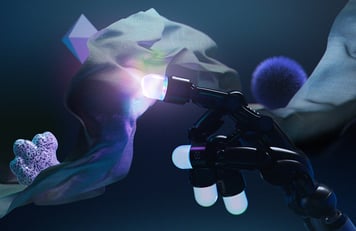 From warehouse automation and healthcare assistance to prosthetics and immersive virtual reality, the next leap in robotics depends on one critical capability: human-like touch and perception.
That’s where advanced optical engineering enters the picture.
Apollo Optical Systems is proud to support this emerging field through our work on a highly specialized optical assembly internally known as Hyper Fish Eye: a compact, precision-engineered lens system designed to support next-generation tactile sensing applications.
The Rise of Robotic Touch
For decades, robotics development focused heavily on movement and vision. Robots could see objects and perform programmed actions, but they lacked the nuanced sensory feedback humans rely on every second.
Humans don’t simply “touch” objects; we instantly interpret:
|
|
|
|
|
|
Replicating this capability in robotics is one of the industry’s biggest engineering challenges.
Companies like Meta are now pushing the boundaries of robotic sensing with technologies such as Digit 360, part of Meta’s broader open-source robotics initiative focused on advancing AI-driven physical interaction.
Their goal is ambitious: Create robotic systems capable of perceiving and interacting with the world more naturally, much closer to how humans do.
Why Optical Systems Matter in Robotic Fingers
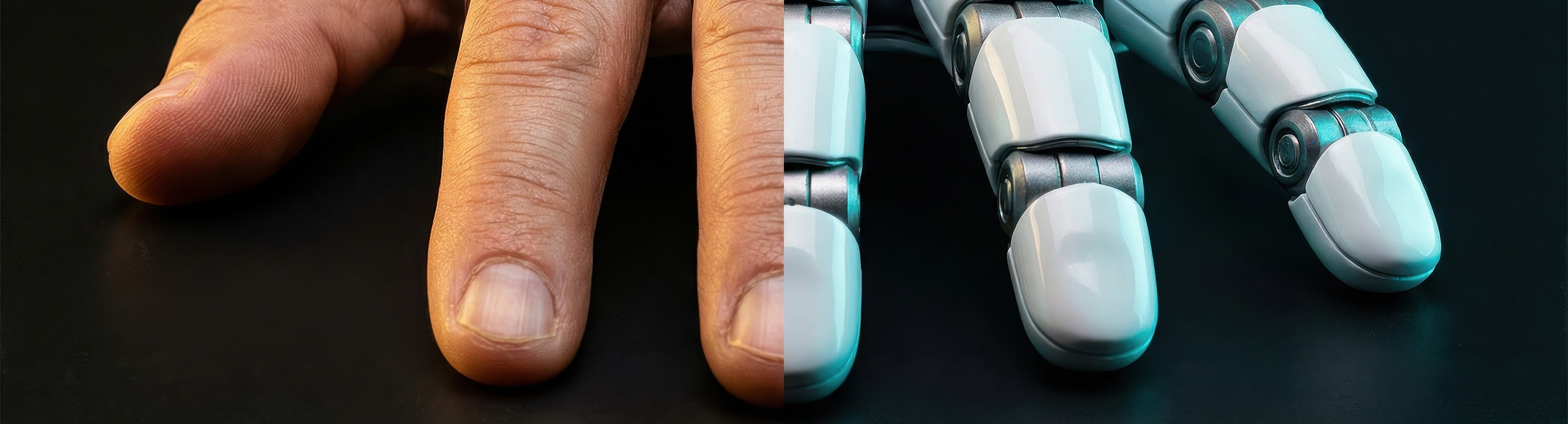
Inside these advanced robotic sensing systems are highly sophisticated optical components. Apollo Optical Systems manufactures the optical assembly used inside the robotic fingertip architecture. The system consists of:
This optical system projects and captures illumination across the interior sensing surface of the robotic digit. The result is an incredibly detailed tactile imaging system capable of detecting subtle surface deformations and interactions.
Meta describes this technology as enabling: “over 8 million taxels for capturing omnidirectional deformations on the fingertip surface.”
In simple terms, the robotic finger can “feel” with extraordinary sensitivity.
The Innovation Behind Wide-Angle
Optical Design
One of the most challenging aspects of this technology is achieving an ultra-wide field of view within an extremely small footprint.
Traditional optical systems are not designed for this type of application.
|
Robotic tactile sensing requires: |
||
|
extreme compactness |
low distortion |
precise light control |
|
high repeatability |
scalable manufacturing |
|
Apollo’s expertise in polymer optics and precision optical assembly makes these systems commercially viable.
The Hyper Fish Eye optical design allows light to be distributed and captured across the entire sensing surface inside the robotic digit, helping create a more complete tactile map of the object being touched.
This enables robots to better interpret:
|
|
|
|
|
|
Beyond Robotics: Broader Applications
The implications of tactile optical sensing extend far beyond humanoid robots.
Potential applications include:.
|
|
|
|
|
|
|
As machines become more capable of understanding physical interaction, optical sensing systems will become increasingly critical infrastructure.
Apollo’s Role in the Future of Intelligent Systems
At Apollo Optical Systems, we specialize in transforming advanced optical concepts into manufacturable, scalable solutions. Projects like Hyper Fish Eye demonstrate how precision optics are becoming foundational technologies for AI-driven hardware systems.
The future of robotics will not only depend on artificial intelligence.
It will depend on the systems that allow machines to physically understand the world around them. And optics will play a central role in making that possible.