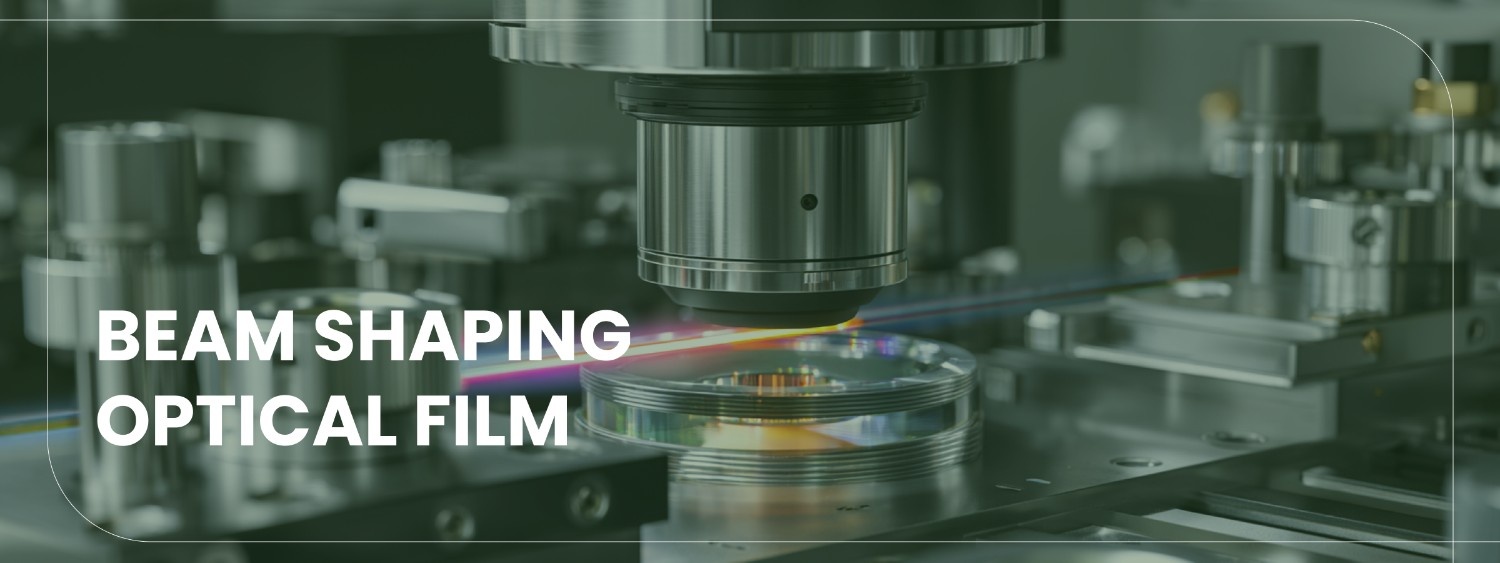
Beam shaping optical film is used to modify the spatial distribution of light rather than to focus or image it.
Instead of forming an image, these films:
redistribute intensity
control angular output
homogenize illumination
shape beams to match system geometry
They are typically thin, surface-structured optical elements designed to work in illumination and light-management systems, not imaging paths.
What beam shaping is — and is not
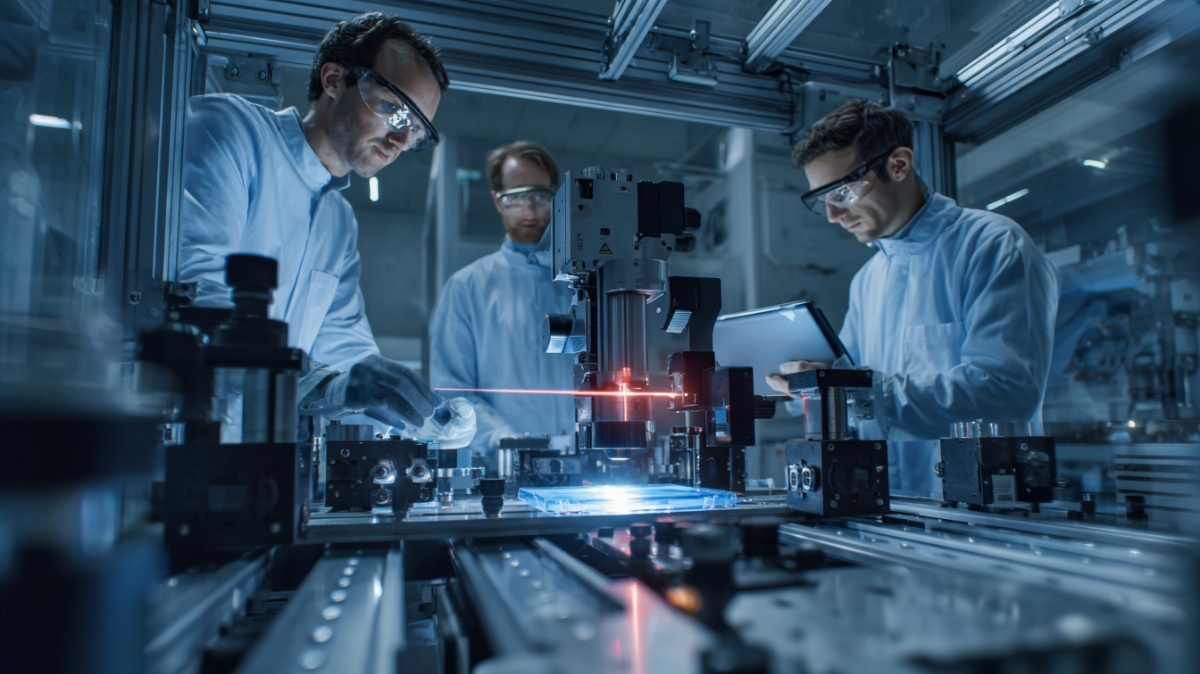
Beam shaping optical film is:
about controlling where light goes
not about increasing total optical power
not a replacement for lenses or mirrors
not a cure for poor source uniformity
It reshapes the distribution of light, not the physics of the source.
This distinction matters because unrealistic expectations are a common cause of system failure.
Common applications
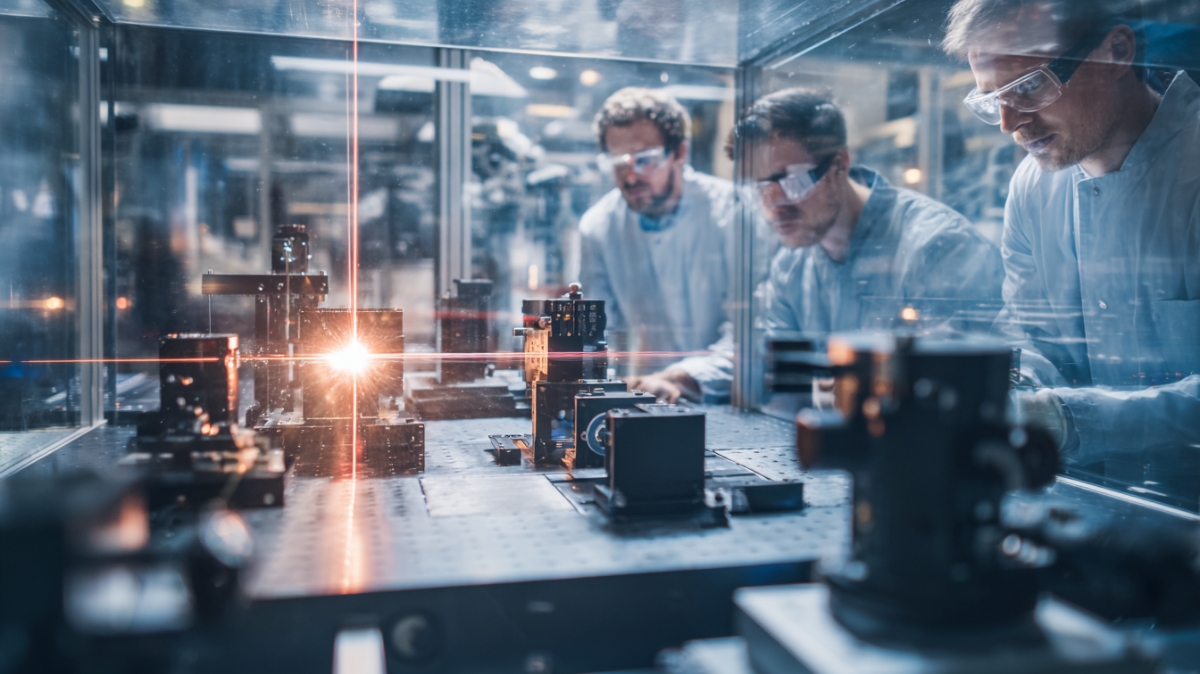
Beam shaping optical films are often used in:
display backlighting
illumination systems
machine vision lighting
sensors and detectors
signaling and indicator systems
In these applications, optical performance is judged by:
uniformity
angular distribution
efficiency
repeatability
Not by image quality.
Optical mechanisms used in beam shaping films
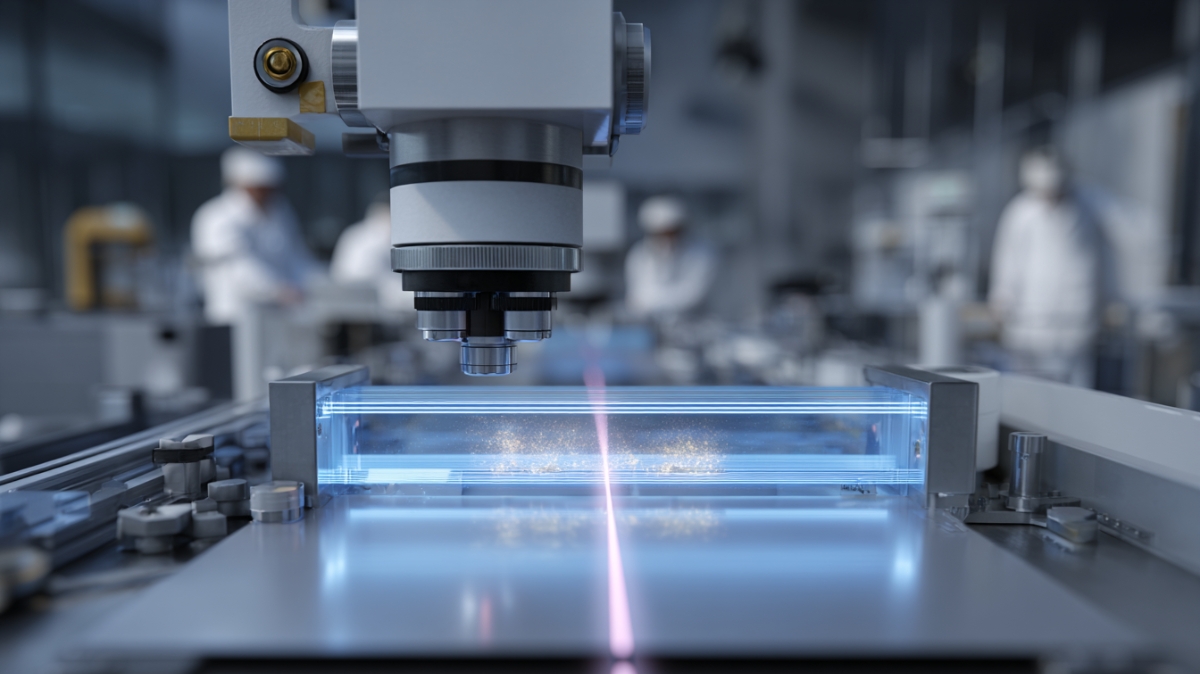
Beam shaping films typically rely on:
microstructured surface features
prismatic or lenticular geometries
diffractive or quasi-diffractive patterns
These features redirect light through refraction, diffraction, or a combination of both.
The optical effect depends strongly on:
feature geometry
pitch and depth
surface quality
alignment relative to the source
Small geometric changes can produce large optical differences.
Resolution, artifacts, and limitations
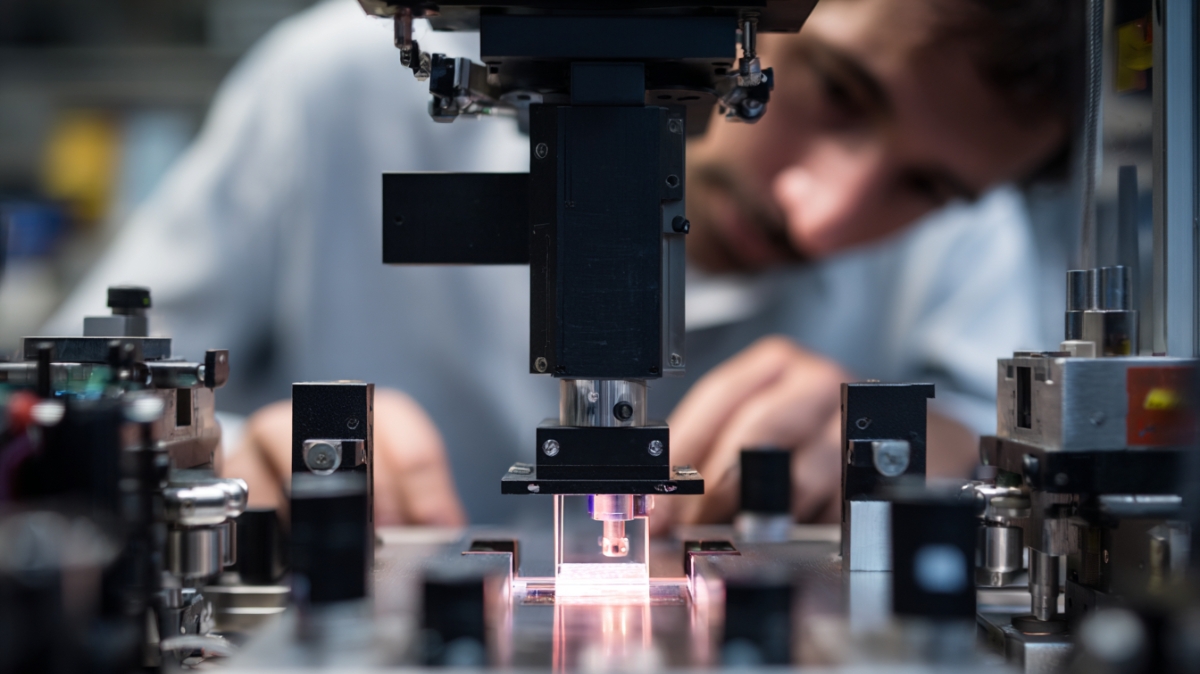
Because beam shaping films use surface structures, they can introduce:
diffraction artifacts
stray light
angular non-uniformity if misapplied
They are generally not suitable for:
imaging optics
systems requiring low scatter
applications with tight wavefront quality requirements
Beam shaping films solve illumination problems — not imaging ones.
Material considerations
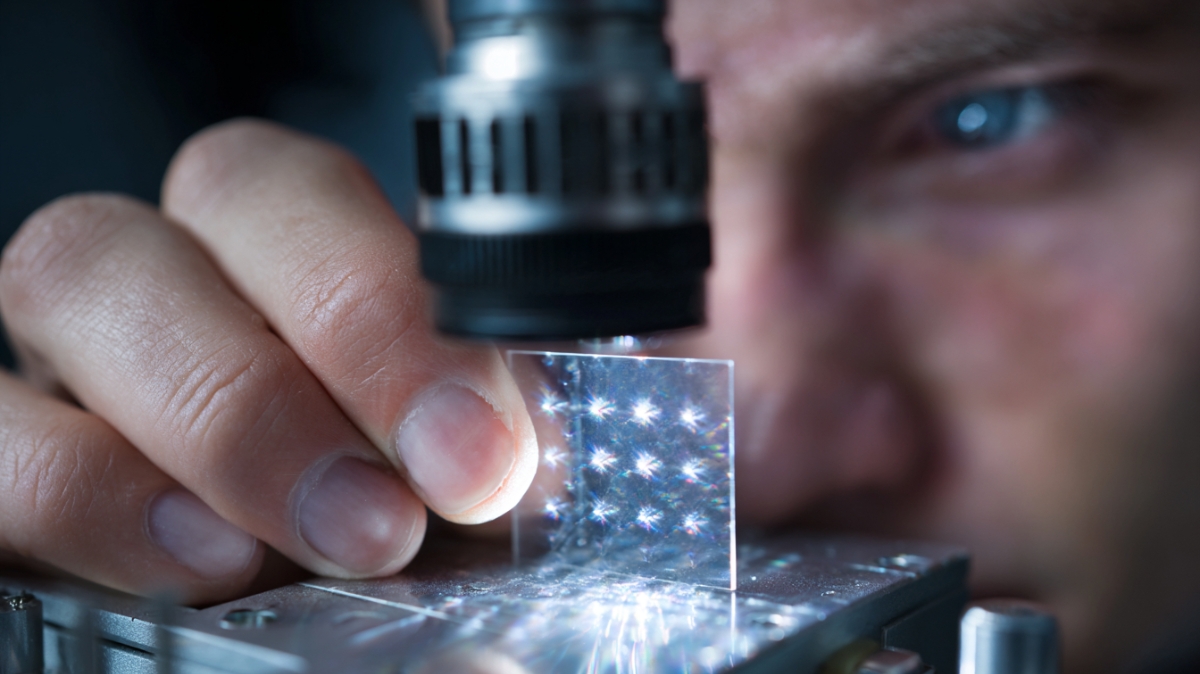
Beam shaping optical films are commonly manufactured from:
optical polymers
polymer substrates with replicated microfeatures
Material choice affects:
transmission and wavelength suitability
thermal expansion
environmental durability
replication fidelity
As polymer optics, beam shaping films are sensitive to:
temperature variation
mechanical stress
long-term dimensional stability
Material behavior must be considered alongside optical design.
Manufacturing and replication realities

Beam shaping films are typically produced through:
precision replication processes
roll-to-roll or sheet-based manufacturing
tooling with micro-scale features
Manufacturing success depends on:
consistent feature replication
tooling wear control
stable process parameters
At scale, tool wear and process drift can change optical performance even when dimensions appear nominal.
Tolerances that actually matter
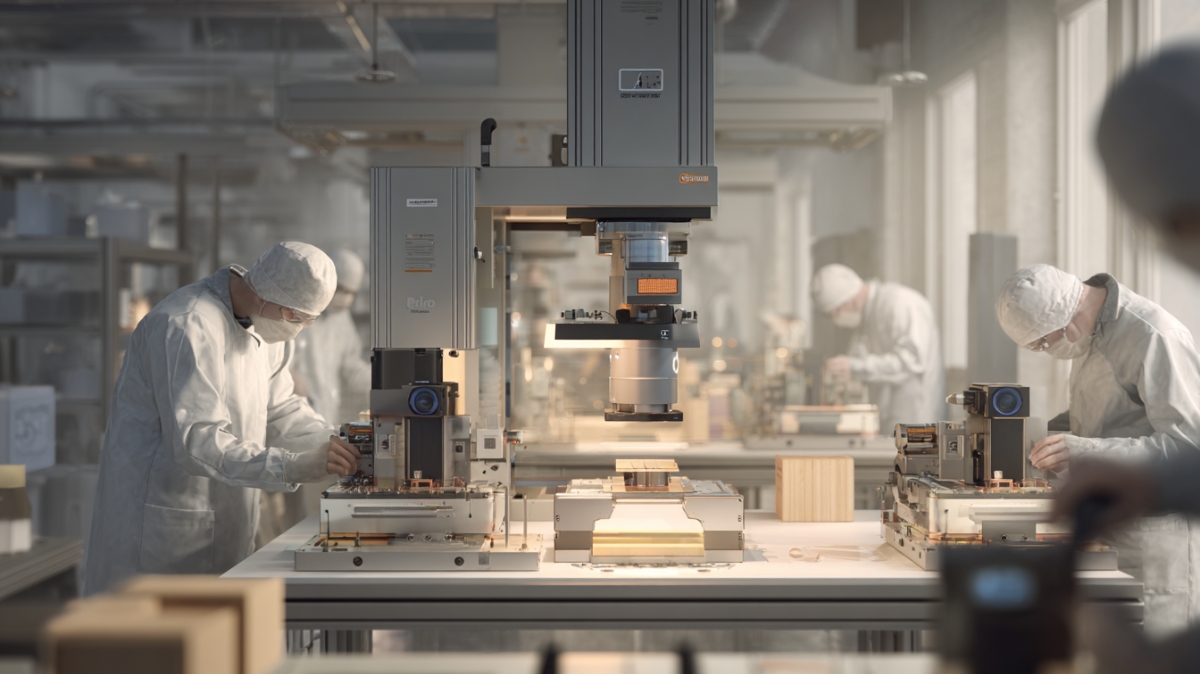
In beam shaping films, functional performance is driven by:
feature pitch and depth
surface fidelity
alignment to the optical system
Over-tightening non-functional tolerances increases cost.
Under-specifying feature geometry increases performance risk.
Functional tolerancing must be tied to optical outcomes, not just geometry.
Integration and system sensitivity
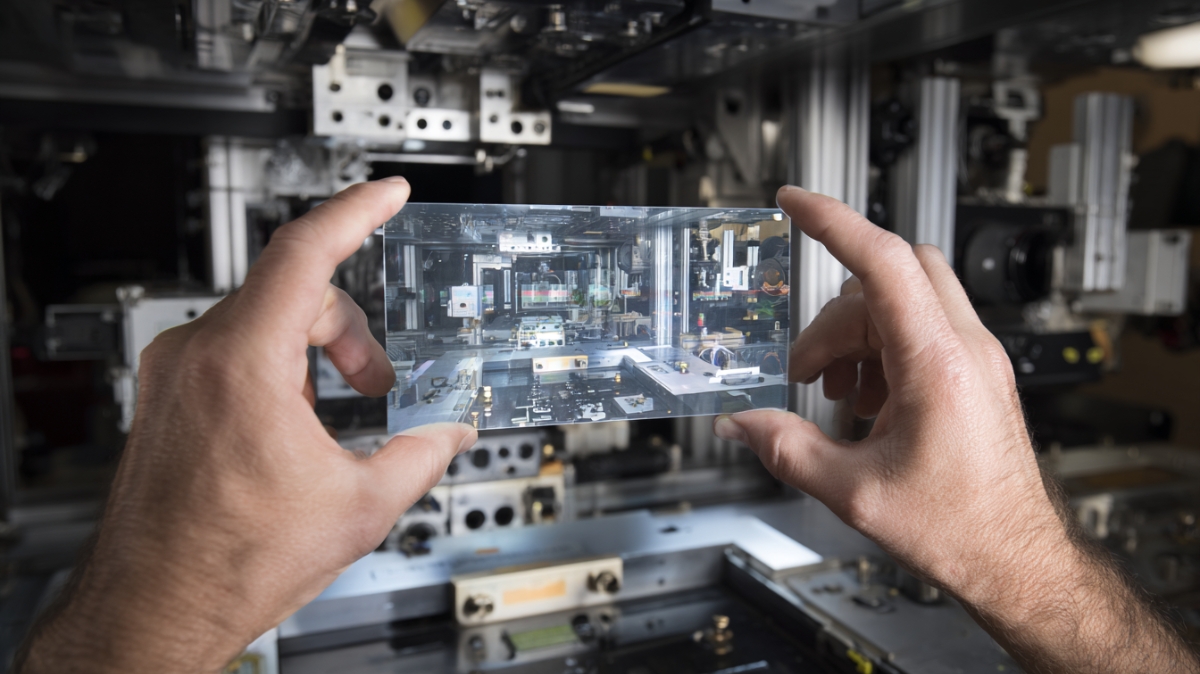
Beam shaping films are highly sensitive to:
source size and position
distance from the source
angular alignment
stacking with other optical elements
A film that performs well in isolation may behave very differently once integrated into a real system.
System-level validation is essential.
Environmental and lifecycle behavior
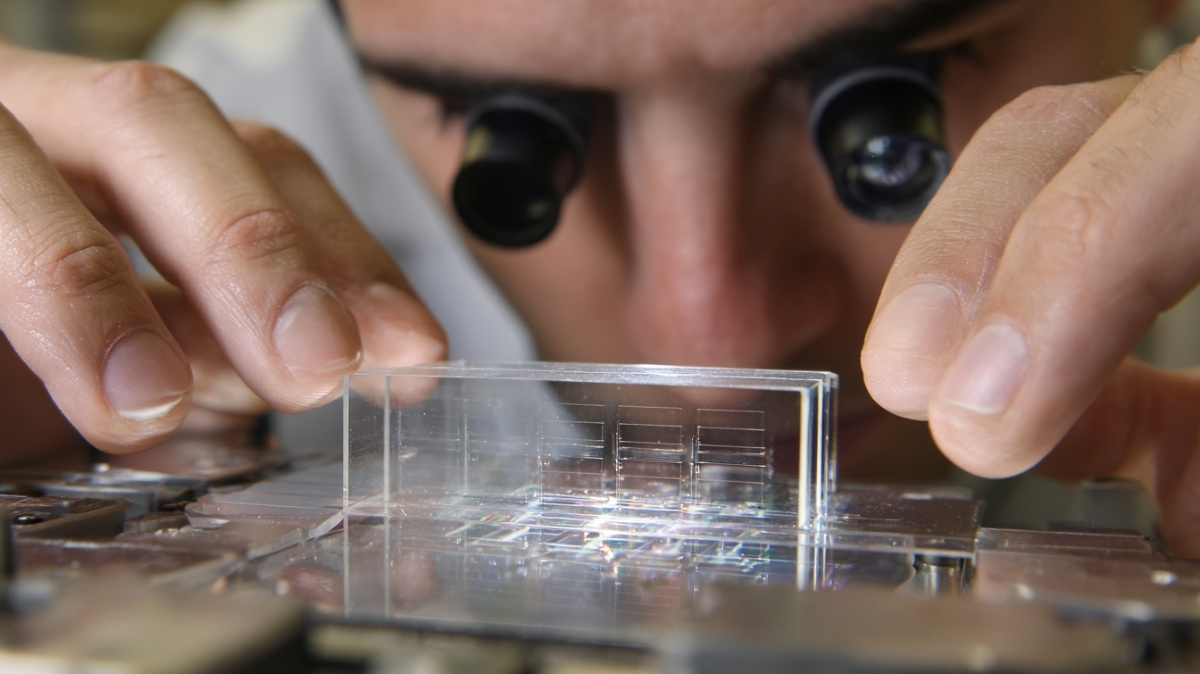
As thin polymer optics, beam shaping films may be affected by:
temperature cycling
humidity
mechanical handling
long service lifetimes
Performance should be evaluated under representative operating conditions, not just lab tests.
When beam shaping optical film makes sense

Beam shaping optical films are well suited for:
illumination uniformity control
angular redistribution of light
thin, lightweight optical stacks
high-volume applications
They are less suitable when:
imaging quality is critical
scatter must be minimized
thermal stability dominates requirements
Knowing these boundaries early prevents redesign later.
How engineers should approach beam shaping films
Rather than asking “Can this film fix the light?”, engineers should ask:
What distribution do we actually need?
How sensitive is performance to alignment?
How stable is the film over temperature and time?
How will performance be validated at scale?
Clear answers to these questions lead to robust designs.
The practical takeaway
Beam shaping optical film is a light-management tool, not a magic optical element.
It works best when:
its function is clearly defined
material and manufacturing limits are respected
tolerances are tied to optical outcomes
validation reflects real system conditions
Used correctly, it enables thin, efficient, and scalable illumination solutions.
Bottom line
Beam shaping optical films are about control, not perfection.
They deliver value when:
expectations are realistic
system sensitivity is understood
manufacturing consistency is maintained
That’s how beam shaping films succeed in real optical systems — quietly, predictably, and at scale.
Where Apollo Optical Systems Fits in the Beam Shaping Workflow
Beam shaping optical films are rarely standalone decisions. Their performance depends on how well optical design, manufacturability, and system integration are aligned.
This is where Apollo Optical Systems typically supports engineering and operations teams.
Optical design and engineering support: Collaborative development of beam shaping approaches aligned to system geometry, integration constraints, and production goals.
Design-for-manufacturing review: Early evaluation of film-based solutions to reduce variation, support repeatable builds, and avoid scale-related redesigns.
Rapid prototyping using SPDT: Validation of beam shaping concepts before committing to production tooling or volume processes.
Polymer-based optical manufacturing: Scalable production paths for beam shaping films and related optical components, supporting consistency across builds.
Custom optical coating services: Application of coatings to support durability, handling, and system-level performance requirements.
Optical assembly and integration support: Assistance with alignment-sensitive assemblies to help maintain consistent output in final systems.
Metrology and inspection: Verification of beam shaping performance using in-house optical testing and quality processes.
By consolidating these steps, teams can reduce handoffs between vendors, shorten iteration cycles, and limit integration risk as systems move from development into production.
Talk to an Apollo Expert to discuss how beam shaping optical films can be evaluated within your system and production requirements.
FAQs
1. Is a beam shaping optical film the same as a diffuser?
Not always. Diffusers spread light, while beam shaping films are designed to redistribute light into controlled patterns or uniform profiles.
2. Do beam shaping optical films only work for lasers?
No. They are used with lasers, LEDs, and other light sources, depending on system design and illumination goals.
3. Will a beam shaping film fix all uniformity issues in my system?
Not by itself. Performance depends on input conditions, alignment, and how the film interacts with the full optical and mechanical stack.
4. Are beam shaping optical films only suitable for prototypes?
No. Many are designed to support scalable manufacturing when manufacturability and inspection are considered early.
5. Does higher complexity always mean better beam shaping?
No. Simpler film-based solutions often provide more stable, repeatable results in production systems.